

Hey there, fellow optometry enthusiasts! As a supplier of Trial Lens Sets, I often get asked the question: How often should a Trial Lens Set be replaced? It's a crucial query that can significantly impact the accuracy of eye examinations and the overall quality of patient care. So, let's dive right in and explore this topic in detail.
First off, let's understand what a Trial Lens Set is and why it's so important. A Trial Lens Set is a collection of lenses with different powers and types, used by optometrists and ophthalmologists to determine the correct prescription for a patient's glasses or contact lenses. These lenses come in various shapes, sizes, and materials, and they play a vital role in the diagnostic process.
Now, when it comes to replacing a Trial Lens Set, there's no one-size-fits-all answer. Several factors come into play, and we'll break them down one by one.
1. Usage Frequency
The more frequently a Trial Lens Set is used, the faster it will wear out. In a busy optometry practice where multiple patients are seen every day, the lenses are constantly being handled, cleaned, and inserted into trial frames. This regular use can cause scratches, smudges, and other forms of damage over time.
For practices with high patient volumes, it's generally recommended to replace the Trial Lens Set every 1 - 2 years. This ensures that the lenses are in optimal condition and can provide accurate results. On the other hand, if a practice has a lower patient load, say a few patients per week, the lenses may last 2 - 3 years before needing replacement.
2. Cleaning and Maintenance
Proper cleaning and maintenance can significantly extend the lifespan of a Trial Lens Set. Lenses should be cleaned regularly using a mild lens cleaner and a soft, lint-free cloth. Avoid using abrasive materials or harsh chemicals, as these can damage the lens surface.
If the lenses are not cleaned properly, dirt, oil, and other debris can accumulate on the surface, affecting the clarity of vision and the accuracy of the prescription. In addition, improper storage can also lead to damage. Lenses should be stored in a clean, dry case to prevent scratches and other forms of damage.
3. Technological Advancements
The field of optometry is constantly evolving, and new technologies are being developed all the time. As a result, older Trial Lens Sets may become obsolete over time. For example, new lens materials and designs may offer better optical performance, reduced glare, and improved comfort for patients.
If a practice wants to stay up-to-date with the latest technology, it may need to replace its Trial Lens Set every few years. This ensures that the optometrist has access to the best tools and equipment available, which can lead to more accurate diagnoses and better patient outcomes.
4. Quality of the Trial Lens Set
The quality of the Trial Lens Set also plays a role in how often it needs to be replaced. Higher-quality lenses are generally more durable and resistant to damage. They are made from better materials and are manufactured to stricter standards.
As a supplier, I offer a range of high-quality Trial Lens Sets, such as the 266 High Quality Trial Lens Set. These sets are designed to last longer and provide more accurate results. If you invest in a high-quality Trial Lens Set, you may be able to extend its lifespan and reduce the frequency of replacement.
5. Patient Needs and Preferences
Finally, the needs and preferences of the patients can also influence the replacement frequency of a Trial Lens Set. Some patients may have specific requirements, such as a need for specialized lenses or a preference for a certain type of lens material.
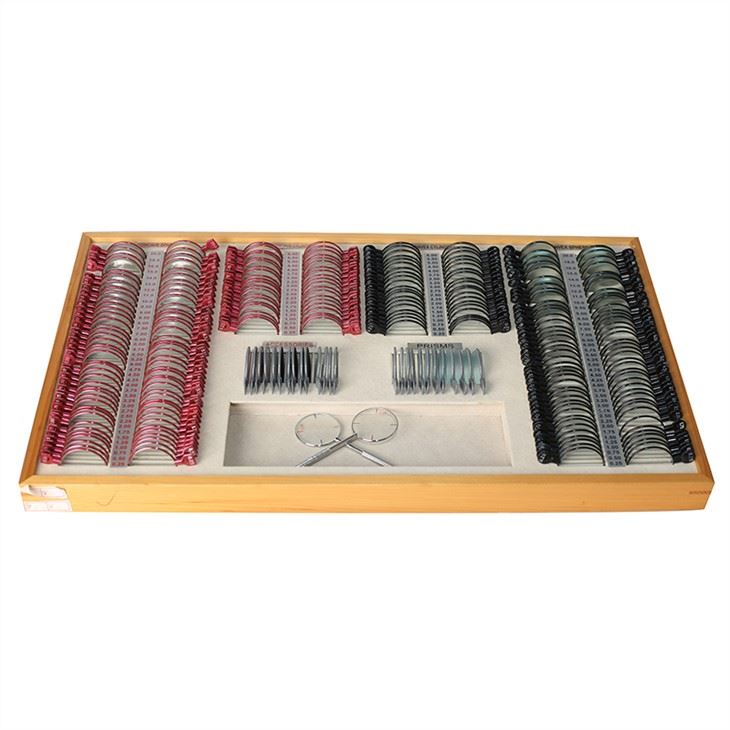

In these cases, the optometrist may need to update the Trial Lens Set to meet the patient's needs. For example, if a practice sees a lot of patients who require progressive lenses, it may need to invest in a Trial Lens Set that includes a wider range of progressive lens options.
So, there you have it! These are the main factors to consider when determining how often to replace a Trial Lens Set. As a supplier, I'm here to help you make the best decision for your practice. Whether you're looking for a high-quality set like the 266 High Quality Trial Lens Set, a kids' set like the 232 Trial Lens Set, or a full aperture set like the 266 Full Aperture Trial Lens Set, I've got you covered.
If you're interested in learning more about our Trial Lens Sets or have any questions about replacement frequency, don't hesitate to reach out. We're always happy to have a chat and help you find the right solution for your practice.
References
- Optometric Association publications on instrument maintenance.
- Manufacturer's guidelines for Trial Lens Set care and replacement.


